
Spinal Health
Solutions for pain relief and posture correction.
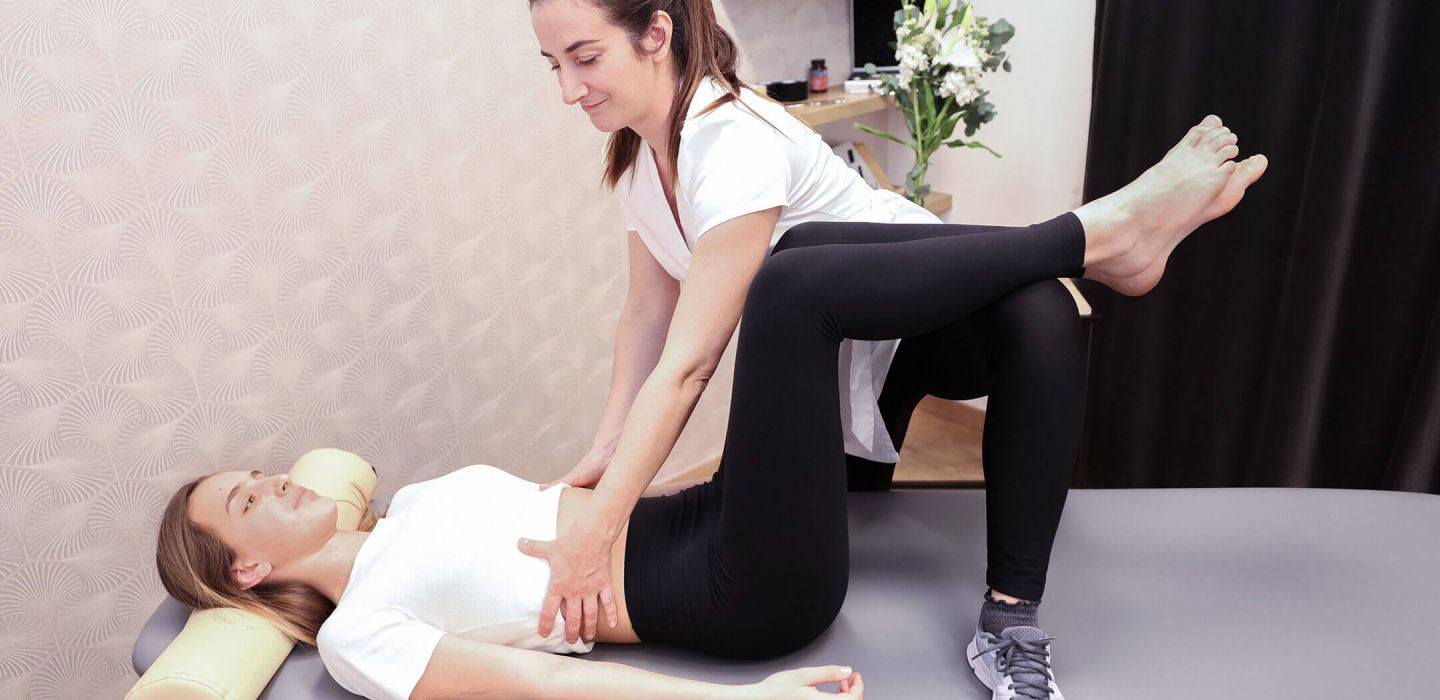
Control. Stability. Mobility.
With precise therapy, we correct posture and restore spinal health
At Motion Lab, we understand how spinal health issues can affect your posture, mobility, and overall well-being. That’s why we offer a comprehensive and multidisciplinary approach, including a detailed assessment of your condition, specialized treatments, and continuous progress monitoring. Our goal is not only to eliminate symptoms but also to address the underlying causes and ensure that your recovery is built on proper motor patterns for optimal posture.
Most common spinal health issues we address
Back Pain
Back pain can significantly impact quality of life and limit mobility. Whether acute or chronic, Motion Lab offers solutions to relieve symptoms by identifying and addressing the root causes, while improving the functionality of back muscles.
Nonspecific Back Pain
Back pain without a clear cause, often associated with previous surgeries, trauma, injuries, or a sedentary lifestyle.
Herniated Discs
Spinal disc issues that can cause nerve compression, resulting in pain, numbness, or weakness.
Soft Tissue Overuse Syndromes
Pain and discomfort caused by overloading the soft tissues around the spine, such as muscles and ligaments.
Postural Disorders
Proper posture is key to spinal health and even distribution of muscle and joint load. Postural disorders not only cause discomfort but also accelerate degenerative changes in the spine’s joints and discs.
Scoliosis
A curvature of the spine in an 'S' or 'C' shape, which can affect body balance and muscle load.
Kyphosis
Increased curvature of the upper spine, which can result in a hunched posture and limited mobility.
Lordosis
Excessive inward curvature, most often in the lumbar spine, which can lead to increased load on the lower back.
Upper Cross Syndrome
Characterized by muscle imbalance resulting in increased thoracic kyphosis and cervical lordosis.
Pre - and Postoperative Spinal Rehabilitation
Spinal surgeries require specific preparation and careful postoperative rehabilitation for a successful and speedy recovery. The Motion Lab team provides personalized rehabilitation protocols to ensure the best outcomes for each patient.
Vertebral Body Fractures
Rehabilitation after vertebral fractures, focused on restoring mobility and strengthening the muscles along the spine.
Spinal Disc Surgeries
Therapy and exercises for full recovery after disc surgeries, including pain reduction and restoration of spinal function.
Every pain is real and has a cause. We know how to find it.
Learn how we use modern diagnostics to identify the true cause of pain.

"Our goal is not only to address current pain and issues but also to ensure lasting postural balance and unrestricted movement, tailoring each treatment to your specific needs and goals."
dr.sc. Ines Čavar, mag.cin
Some of the diagnoses we encounter on a daily basis:

Cervical Spine
o Cervical disc herniation
o Cervicobrachial syndrome
o Cervical spinal stenosis
o Cervical spondylolisthesis
Thoracic Spine
o Thoracic spondylosis
o Thoracic outlet syndrome (TOS)
o Lumbar spondylolisthesis
Lumbar Spine
o Lumbar disc herniation
o Lumbar radiculopathy
o Lumbosacral facet syndrome
o Lumbar vertebral fracture
DISCOVER THE SCIENCE BEHIND YOUR RECOVERY
Therapeutic techniques we use

DNS and Kinesiotherapy
Our kinesiotherapy is based on DNS principles and focuses on the re-education of global motor patterns – helping your body 'learn' healthier and more efficient ways of moving. Our goal is to develop and optimize the relationships between mobility and stability, motor control, muscle strength, and endurance. During kinesiotherapy, we work to make your body stronger, more agile, and more resilient to future challenges.

Manual Therapy
Manual therapy is a key component of our comprehensive approach to rehabilitation and recovery. We apply various manual techniques, including myofascial release, Emmett, Osteopathy, Craniosacral Therapy, joint and bone mobilization, and the removal of adhesions and fibrous structures. Additionally, we use innovative methods such as Dry Needling and DNES (Dry Needling Electrostimulation) to further enhance muscle function and reduce pain.

PDT-R
This advanced manual method of functional neurophysiology focuses on alleviating pain by modulating neurological signals. Simply put, it helps your nervous system 'reset' to reduce pain perception. Neuro-receptor therapy is based on the latest scientific knowledge and technologies to precisely target and calm the nerve pathways that transmit pain signals.

Case study.
Disc Extrusion.
“Sports are everything to me, and my doctor told me I have a disc extrusion and suggested surgery. Do I really have to go under the knife?”
Read the case study and discover our process and results in real-world conditions.
A 28-year-old man came to us with a problem that had severely impacted his quality of life – a dorsomedial disc extrusion at the L5/S1 level. He first experienced pain while performing a weighted squat, and soon all movements involving lower back extension became problematic. He was soon unable to run, swim, or perform any jumping activities, while even basic daily activities became difficult.
After conducting diagnostics, our first step was to provide pain relief through a combination of anti-inflammatory procedures and manual therapy, and then identify and address the underlying causes that led to the disc herniation. Over time, as the pain decreased, the client regained confidence in his movements, which motivated him to continue with a targeted kinesiotherapy program focused on correcting motor patterns, developing endurance, and building strength. All exercises were carefully tailored to his condition and goals, allowing a gradual and safe return to movements that previously caused pain.
After completing rehabilitation, the client was able to perform all spinal movements pain-free, and his return to sports and daily activities was unrestricted. He was also enrolled in our preventive group program to ensure long-term results and help him avoid similar issues in the future.
*To protect the privacy and personal data of our patients, all case presentations on this page use initials instead of full names. This practice complies with applicable data protection legislation, including the General Data Protection Regulation (GDPR), ensuring confidentiality and anonymity of our patients.
From pain to performance
Questions and Answers

01I feel improvement, but in the morning when I wake up, I notice tension in my back and worsening of symptoms. What is this about?
Most people undergoing spinal pain rehabilitation experience these symptoms. This is a completely normal response of the body to the adaptive demands that quality rehabilitation requires. Overnight, the discs and other structures rehydrate, which changes their volume and can temporarily put pressure on surrounding structures, causing sensations like stiffness and discomfort. This feeling usually subsides after activating the muscles through regular daily activities and the body returning to homeostasis after waking.
02I’ve noticed that my symptoms worsen after sitting for a long time. Why does this happen and how can I prevent it?
Passive sitting reduces the nourishment of all structures in the musculoskeletal system, which in turn worsens and intensifies the symptoms of the main issue. Ensuring an ergonomic work environment can help alleviate discomfort while sitting. Additionally, standing up and stretching approximately every 30 minutes will greatly help reduce symptoms. Most importantly, a proper kinesiotherapy plan and program will play the biggest role in resolving and preventing further problems.
03How can I help myself if I find myself in an acute pain phase?
In addition to using nonsteroidal anti-inflammatory drugs (paracetamol, acetylsalicylic acid, etc.), you can help yourself by resting in a comfortable position, removing sources of stress around you, applying warm compresses if the pain is nerve-related, staying properly hydrated, and performing activation and stretching exercises provided by your therapist.

From pain to performance
Personalized rehabilitation plan
Personalized therapy that doesn’t just treat symptoms but addresses the root causes. Discover more and start your recovery.
Discover more
Experience Smart Movement
Guided by our Smart Movement philosophy, we ensure that science works for your health. Our experienced exercise trainers use knowledge from kinesiology and rehabilitation to lead you safely and functionally toward your goals.

Reformer
Discover the Reformer – a perfect blend of strength, flexibility, and control.
