
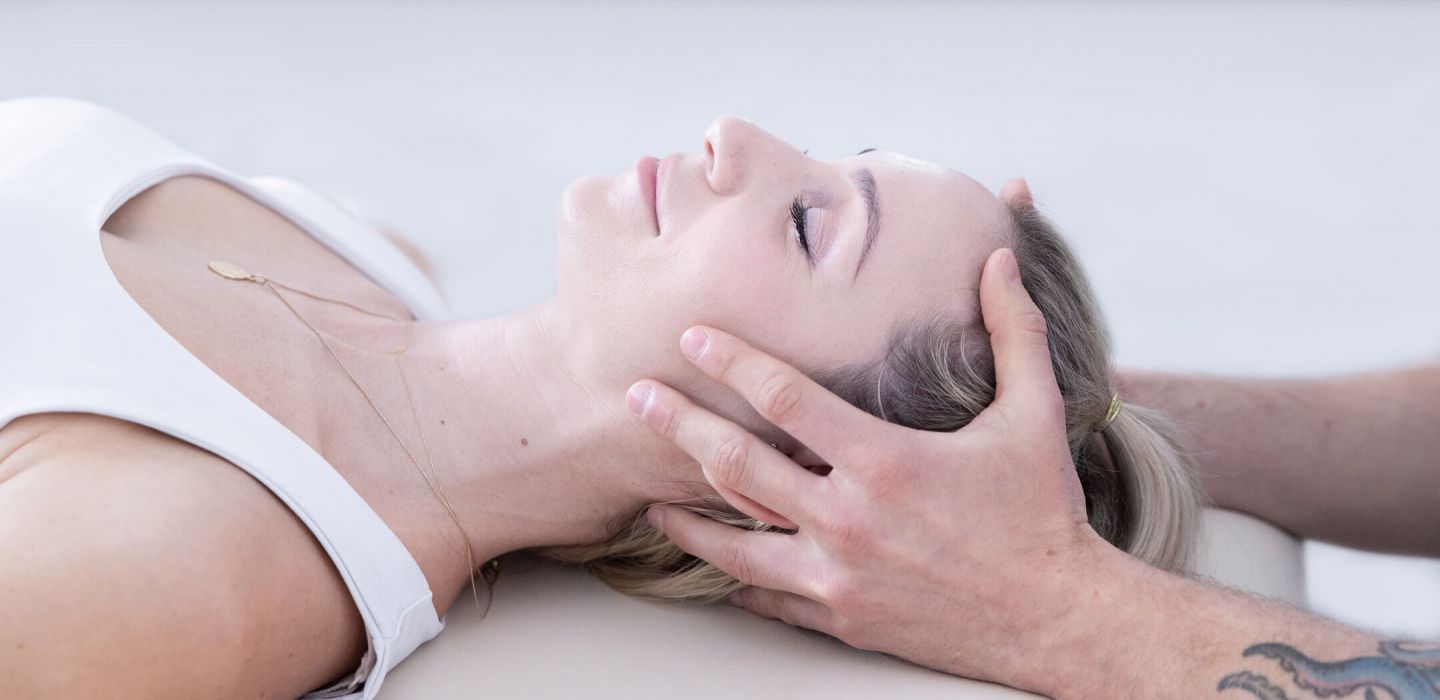
Craniosacral Therapy

Harmony of craniosacral rhythm for less stress.

 
Craniosacral Therapy

How Does CST Work?

Calms the nervous system and restores body balance.


Craniosacral therapy (CST) is a gentle manual technique based on working with the body's craniosacral system—a physiological system that includes the skull, spine, sacrum, and cerebrospinal fluid that surrounds and protects the brain and spinal cord. A key part of the therapy is recognizing and encouraging proper cranial rhythm—the rhythmic movement of cerebrospinal fluid within this system, which is essential for optimal functioning of the nervous system and related structures.

Therapists use palpation and gentle stimulation to help coordinate the parasympathetic and sympathetic nervous systems during therapy, thereby achieving better adaptation of the body to stressful situations and restoration of internal balance.

Benefits and Advantages

Stimulate the body's self-regulation.

  • Increases the body's resistance to stress
  • Calms emotions and mind
  • Supports regeneration and recovery
  • Improves sleep quality
  • Relieves pain and discomfort
  • Reduces pressure on nerves and dura in disc herniation

Who Is It For?

For those seeking relief from acute pain and an overstimulated nervous system.

  • People with chronic pain
    If you have neck, back, or joint pain that persists over time
  • People with headaches and migraines
    When you suffer from insomnia and tension headaches that disrupt daily life
  • People under stress
    For those experiencing emotional tension and anxiety
  • Newborns and children
    If a child has difficulties with feeding, sleeping, or development
  • After surgeries and trauma
    When you need recovery and regeneration after trauma or procedures

What Does a Therapy Session Look Like?

Deeply releases tension.

Therapy is conducted in a calm and relaxing environment, designed to promote deep client relaxation. The client usually lies on their back or sits in a comfortable position, while the therapist uses precise, light pressure movements, typically up to 5 grams, on specific body points such as the skull, spine, neck, and sacrum. This technique allows the therapist to sense subtle changes in craniosacral rhythm and encourage the body's natural regulation and tension release.

During treatment, clients often experience deep relaxation and an inner sense of calm. Some describe feelings of warmth, gentle pulsing, or release of tension from areas that were burdened.

Due to its exceptional gentleness and adaptability, craniosacral therapy is safe even for people with acute pain, chronic conditions, or sensitive health issues, providing support to the body in its natural recovery processes.


PAIN IS MORE THAN A SYMPTOM

Discover what lies beneath

 
Discover more


FROM PAIN TO PERFORMANCE

Questions & Answers

Craniosacral Therapy

01How can craniosacral therapy help in daily life?


Craniosacral therapy is not only intended for pain relief or specific ailments—it can also be used preventively to help the body maintain balance and optimal functioning. Since it has a relaxing effect on the nervous system, the therapy is also beneficial for people who don't have pronounced problems but want to reduce stress, improve concentration, or generally support their health. CST is a safe and effective method that can be applied at any time, regardless of current condition.

 
Craniosacral Therapy

02Are there side effects after treatment?


Craniosacral therapy is very gentle and safe, but some clients may experience mild fatigue or heightened emotional reactions during or after the treatment. These reactions are normal and part of the body’s adjustment process to change.

Craniosacral therapy does not act only on the physical level; it also has a profound impact on the client’s emotional state. During treatment, long-held tensions are often released, which can include emotional discharge. This reaction is natural, because body and mind interact—when physical tensions are released, suppressed emotions stored in the body are often released as well.

Clients may experience a wide range of emotions, such as sadness, joy, relief, or even anger, which is a sign that the body is processing and releasing deeper layers of stress and emotional trauma. This process can be very liberating and contributes to a sense of inner balance and peace.

 
Craniosacral Therapy

03How should I prepare for treatment?


Preparation isn’t complicated - just come in comfortable clothing and be ready to relax. The client doesn’t need to do anything active during the treatment; the therapy is completely passive and tailored to individual needs.

 
Craniosacral Therapy

04How many treatments are needed for visible results?


The number of treatments needed depends on the client’s individual needs, the nature of the issue, and therapy goals. Some clients notice improvements after the first session, such as reduced pain or a sense of deep relaxation, while achieving lasting changes and resolving chronic problems typically requires several sessions (3–4 treatments).

 
Craniosacral Therapy

05What exactly is done during craniosacral therapy?


Craniosacral therapy, although extremely gentle to the touch, has significant effects on the body. It works on the trunk’s fascial system—from the pelvic and respiratory fascia all the way to the thoracic fascia and the atlanto-occipital joint. Likewise, using specialized techniques, the bones of the skull are mobilized via the sutures between them. What sets craniosacral therapy apart from other methods is its work on cerebrospinal fluid: listening to its production and reabsorption, then holding and manipulating the fluid.

 
Craniosacral Therapy

06How exactly will this therapy help with my problem?


Depending on the context and specifics of your problem:
If you are in an acute painful phase, CST is used to calm your entire system and ensure the fastest, best possible recovery from the acute phase so you can continue with other therapeutic procedures. If you come to CST during a chronic pain phase, the therapy is performed to increase your capacity for receiving and processing subsequent therapeutic procedures.