
Benefits & Advantages
Proper breathing shapes movement and unlocks the body’s full potential.
- Improves spinal stability
- Optimizes joint alignment and prevents degenerative changes
- Prevents injuries
- Enhances recreational and sports performance
Who is it for?
From children and rehabilitation to athletes of all levels.
- People with pain caused by poor movement patterns
If you experience back, neck, or shoulder pain due to dysfunctional patterns. - Athletes
For those facing performance decline or instability in movement. - Post-surgery or injury recovery
Rehabilitation of the spine and joints following injury or surgery. - Individuals with postural problems
If you feel body imbalance or suffer from poor posture that causes pain.
What does a therapeutic session look like?
Restoring postural stability through early childhood movement patterns.
A DNS session begins with a detailed movement assessment, where the therapist analyzes patterns and identifies dysfunctions that may cause pain, discomfort, or increased risk of injury. The focus is on recognizing and correcting faulty patterns that disrupt the body’s natural stability, often caused by neuromuscular imbalance.
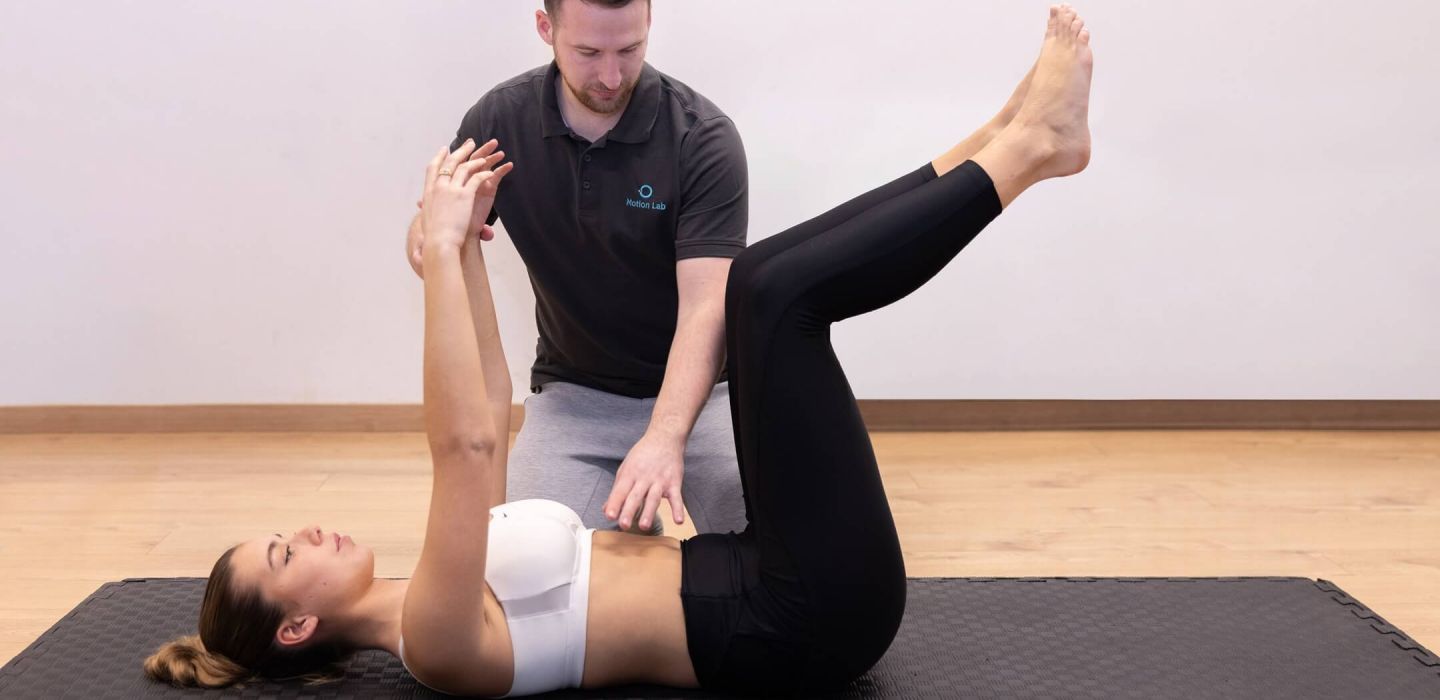
During rehabilitation, the client actively participates in exercises under expert supervision, ensuring proper progress in body stabilization. Therapists guide the client through various developmental positions—lying on the back, stomach, all fours, and standing—to stimulate proper activation of the deep stabilizers.
These positions help clients activate proprioceptive stabilization mechanisms, restoring balance and optimal functionality.
Exercises are performed slowly, precisely, and with control to ensure quality movement and activation of the core muscles that support the spine and joints. Gradually, the load is increased—using body weight, resistance bands, or weights—achieving stabilization through progressive motor development.
Clients are taught how to maintain proper movement patterns and core activation in daily activities, ensuring long-term stability and reduced risk of injury.
