
Women’s Health: The Journey to Inner Balance
Women’s health is a journey where every step is important.
27. 10. 2025. 5 min
Women’s Health
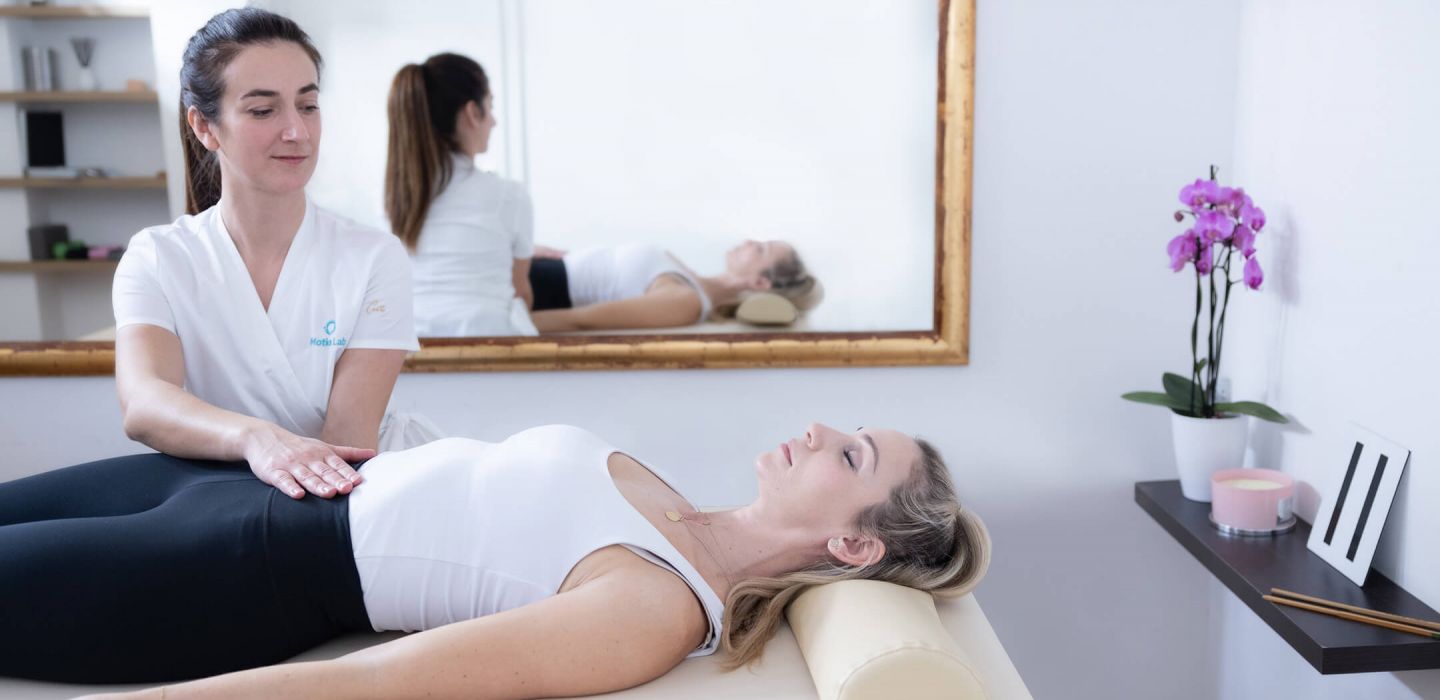
Women’s health is a journey where every step is important. It represents a complex system that changes throughout life—from puberty, through reproductive years, to menopause and older age. Each phase brings its own challenges, but also opportunities to maintain vitality and well-being.
Preparing the Body for Training
- Before starting any exercise program—especially in rehabilitation—it is critical to understand how your body responds to movement. Evaluating muscle reflexes and analyzing movement patterns allows us to detect potential neuromuscular dysfunctions that might hinder progress or increase the risk of injury. What does this mean? If you repeatedly exercise muscles that are already tight (hypertonic), symptoms may worsen despite the activity. A well-known example is Kegel exercises for pelvic floor problems; if your pelvic floor muscles are already excessively tense, further Kegel exercises can actually aggravate the situation.
- This approach is especially important when rehabilitating diastasis recti and pelvic floor muscles, where disrupted activation patterns can impact core and pelvic stability. By testing and purposefully correcting activation patterns, we ensure muscles are working in harmony and efficiently—this is the foundation for safe and durable improvement.
- Analysis and adjustment before exercising not only speeds up rehabilitation, it’s also key to preventing recurrent injuries, thus establishing a solid base for regaining full function.
How to Strengthen the Pelvic Floor After Childbirth—Exercises and Therapies
- Pelvic floor muscle recovery is a crucial step after childbirth because these muscles support the bladder, uterus, and intestines. Pregnancy and childbirth lead to weakening, especially with vaginal delivery.
- Function is affected by intra-abdominal pressure changes, hormonal influences, and physical strain during pregnancy.
- The most common signs of weakened muscles include incontinence, sense of heaviness in the pelvis, pain in the lower back or pelvis, and discomfort during intimacy.
- Motion Lab offers an individualized approach, detecting and addressing neuromuscular dysfunctions that cause weakness, as well as targeted, safe, expert-guided exercises for gradual strengthening, improved function, and reconnecting with your body postpartum.
- Expert support is recommended if symptoms persist, progress stalls, or prolapse or severe discomfort occurs.
Diastasis Recti: What It Is and How to Close It Safely
- Diastasis recti is the separation of the abdominal muscles, usually caused by stretching of connective tissue during pregnancy as space is made for the growing fetus.
- Causes include increased internal pressure, rapid abdominal growth, multiple pregnancies, and inadequate physical activity.
- Symptoms include a visible gap along the midline, poor postural stability, back pain, and sometimes digestive issues.
- Diastasis can be effectively treated with targeted core rehabilitation—carefully chosen, safe exercises that foster functional closure of the gap, preceded by solid reflexive core muscle function.
- Expert help is needed when diastasis remains open after several months, or if symptoms like pain, weakness, or instability develop.
Hormonal Imbalance in Women: Causes, Symptoms, and Natural Solutions
- Hormonal imbalance is common and can occur at different stages—puberty, pregnancy, postpartum, perimenopause, and under stress.
- Factors affecting hormonal health include diet, sleep deprivation, chronic stress, PCOS, thyroid issues, hormonal contraception, and toxin exposure.
- Symptoms: Irregular periods, fatigue, irritability, insomnia, rapid weight gain, acne, low libido, hair loss or excess hair growth.
- Hormone balance is achievable by optimizing organ function on a neurological level and making small, consistent lifestyle changes—a balanced diet, adaptogenic herbs, supplements, daily movement, and relaxation.
- Seek specialist help if symptoms are long-lasting or significantly disrupt everyday life.
How Red Light Therapy Helps With Pain and Hormone Regulation in Women
- Chronic or recurrent pain and hormonal imbalances often require multi-level support, including neurological and endocrine systems.
- Causes can include inflammation, nervous system dysregulation, trauma effects, and imbalance in the hypothalamus-pituitary-adrenal axis.
- Symptoms: pelvic pain, low back pain, frequent migraines, PMS, mood disturbances.
- Red light therapy uses infrared light to activate natural regenerative processes via nervous and hormonal systems—without drugs.
- Red light works at the cellular level, boosting ATP production, reducing inflammation, and enhancing tissue regeneration. It helps relieve pain, speeds up healing, and improves function in muscles and joints, making it extremely useful in rehab and injury prevention.
Pain After Cesarean Section: Effective Manual Therapies
- Many women feel lingering pain, discomfort, or tightness around the scar post-cesarean.
- Common reasons: adhesions, fascial damage, skin sensitivity changes, imbalances in muscular-fascial chains, and particularly disturbed neuroreflex function in core muscles.
- Symptoms radiate to the lower belly, hips, knees, and even lower back.
- A combination of P-DTR therapy and manual treatments—scar work, fascial mobilization, and red light therapy—improves circulation, tissue mobility, and reduces pain.
- Therapy is advised when discomfort persists beyond several months, worsens with movement, or affects posture and motion.
Pain During Sexual Intercourse in Women: Causes and Therapeutic Solutions
- Dyspareunia is common and often unspoken, greatly impacting emotional and partnership health.
- Causes: muscle tension, fascial restrictions, neurological imbalance, or pelvic trauma.
- Symptoms: pain during or after sex, discomfort, tightness, or fear of pain.
- Motion Lab uses Emmet technique, myofascial release, and PDTR to relax tissue, balance the nervous system, and support emotional recovery.
- Seek expert help if pain is recurrent or persistent without clear cause.
Menopause and Pain: Exercises and Tips for Women’s Health
- Menopause brings natural hormonal changes that may cause joint pain, stiffness, and low energy.
- Lower estrogen affects tissue elasticity, muscle function, and nervous system performance.
- Symptoms: joint pain, movement stiffness, fatigue, and stress sensitivity.
- Joint-friendly movement (DNS exercises, yoga, walking), a balanced diet with natural supplements, and techniques like P-DTR combined with red light therapy and manual work help ease inflammation and pain, making it easier to begin exercising and maintain function.
- Seek help if pain and stiffness restrict movement or daily activities.
Postpartum Low Back and Hip Pain: Causes and Solutions
- Low back and hip pain are common after pregnancy and birth.
- Main causes: instability of the sacroiliac joint, weakened core and pelvic floor muscles, and changes in movement biomechanics.
- Symptoms: pain during standing, walking, lifting, or prolonged sitting.
- A combination of P-DTR therapy and targeted exercises for core and pelvic stability can significantly reduce pain and restore strength and stability.
- Rehab is recommended if pain worsens, doesn’t resolve over time, or causes compensations elsewhere.
How Craniosacral Therapy Helps Women With Stress and Pain
- Chronic stress and pain often leave deep traces in the nervous system and female body.
- Causes: long-term stress, emotional tension, trauma, or hormonal imbalance.
- Symptoms: insomnia, anxiety, headaches, muscle tension, and overwhelm.
- Craniosacral therapy with gentle touch relaxes fascia, regulates the nervous system, and activates the vagus nerve—key for reducing stress.
- It is especially helpful when physical and emotional tension remains despite other treatments.
Why Personalized Programs Are Crucial for Women’s Health
- Every woman has a unique body, circumstances, and challenges that require a tailored therapeutic approach.
- Unadapted programs, generalized treatments, or exercises that don’t consider the whole situation may cause unwanted effects or slower recovery.
- Symptoms range from mild discomfort to severe pain, depending on personal factors.
- Motion Lab’s personalized program combines targeted kinesiotherapy, manual techniques, and innovative methods—all with a holistic approach that includes emotional wellbeing.
- Professional guidance is crucial when routine self-help fails to give the desired results.
Conclusion
Ask us, book an appointment, regain control over your body.
A woman’s body undergoes numerous changes and challenges, but with the right support and knowledge, it’s possible to live without pain, feeling strong and balanced.
If you recognize yourself in any of these conditions or have questions about your own health, reach out.
Motion Lab’s team of specialists is at your disposal—contact us, ask questions, or book your first session. Together we can find a solution tailored to you.
Frequently Asked Questions (FAQ)
1. How often are Red Light Therapy sessions recommended?
Session frequency depends on the type and severity of symptoms, and on your individualized treatment plan. The number of sessions can range from 2–10, and is fully tailored to your needs.
2. When can I start pelvic floor exercises after childbirth?
Light activation can start within the first weeks, but a full exercise program is recommended after an expert evaluation—usually 6 weeks postpartum.
3. Can therapies be combined?
Yes, in our clinic we frequently combine manual techniques, PDTR, craniosacral therapy, and kinesiotherapy, all according to your specific needs.
From pain to performance
Women’s Health: The Journey to Inner Balance
Neuroscience of Pain: Discover Why We Hurt Even When There’s No...
We’ve all felt that sharp twinge of pain growing up—falling off a bike, a bad landing, a twisted ankle, a pounding headache. The...
27. 10. 2025. 5 minutes of reading

Women’s Health: The Journey to Inner Balance
Women’s health is a journey where every step is important. It represents a complex system that changes throughout life—from...
27. 10. 2025. 5 minutes of reading
How Does Resolving Nonspecific Pain Syndromes Really Look?
A 28-year-old male approached us with a problem that had seriously affected his quality of life—dorsomedial disc extrusion at the...